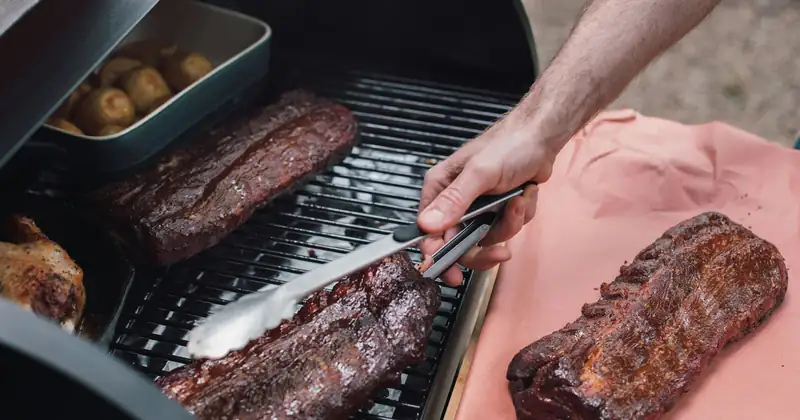
Photo by Z Grills Australia on Unsplash
Kansas City barbecue is defined by slow-smoked meat of many kinds, burnt ends from the brisket, and a thick, sweet, tomato-based sauce. Unlike regional styles that focus on a single meat, Kansas City pitmasters smoke beef, pork, chicken, sausage and more, then let the sauce, the sides and the smoke work together. This guide breaks down the style piece by piece so you can order with confidence.
What Makes Kansas City Barbecue Different
Barbecue in the United States is a family of regional traditions. Texas is often associated with beef and a simple rub, the Carolinas with pork and vinegar-based sauces, and Memphis with ribs. Kansas City is better known for variety. A single menu can offer brisket, pulled pork, ribs, smoked sausage, turkey and chicken, and diners often order a mix on one plate.
The city's location, historically a hub for cattle and rail traffic, is often cited as part of why the style grew so broad. Rather than a single signature, you get a style built on range: smoke first, then sauce as a finishing touch or table condiment.
Burnt Ends: The Local Signature
Burnt ends are the item most people associate with Kansas City. Traditionally they come from the point, the fattier part of a brisket. The cook cuts the point into cubes, returns them to the smoker, and lets the edges caramelize and the fat render. The result is rich, smoky, slightly crisp on the outside and tender within.
Many smokehouses now serve burnt ends as a main dish or as a sandwich topping, and some make versions from other cuts. Because they take extra time to produce, supplies can run out on busy days, so ordering earlier in the day is a smart move.
How to order burnt ends
- Ask if they are available. Some kitchens make a limited batch each day.
- Choose the format. Burnt ends are often served by the half pound, on a plate with sides or on a sandwich.
- Try them with sauce on the side. This lets you taste the smoke and bark before adding anything.
The Sauce
Kansas City sauce is typically thick, sweet and tomato-based, often with molasses or brown sugar, vinegar and spices. It is meant to cling to the meat rather than soak in. Sauces vary from sweeter to tangy to peppery, so tasting a couple of options is part of the fun.
Many restaurants put sauce on the table so you can add it yourself, while others sauce certain items in the kitchen. If a menu lists "sauced" or "dry" for ribs, the choice is yours. Sauce is also sold in bottles at many local shops and grocery stores, making it a popular gift to bring home.
Smoking Woods and the Pit
Smoke flavor depends on the wood. Hickory is widely associated with Kansas City barbecue and gives a bold, savory smoke. Oak is a common choice for steady heat and a milder profile, while fruitwoods such as apple or cherry are often used for a lighter, slightly sweet note, especially with pork and poultry. Many pitmasters blend woods to reach a house flavor.
Smokers differ too. Some restaurants use traditional offset or brick pits that burn real wood, while others use modern equipment that controls temperature more tightly. Either approach can produce excellent results. What matters is time, patience and consistent heat, because good barbecue cooks low and slow.
The Meats You Will See on the Menu
| Meat | What to expect |
|---|---|
| Brisket | Sliced beef with a dark, peppery bark. Ask for lean or fatty if the kitchen offers a choice. |
| Burnt ends | Cubed brisket point, smoked a second time until caramelized. |
| Ribs | Pork spare ribs or baby back ribs, often served dry-rubbed or with sauce. |
| Pulled pork | Shredded pork shoulder, good on a sandwich. |
| Sausage | Smoked links, a good way to add variety to a combo plate. |
| Chicken and turkey | Lighter options that take smoke well. |
Sides Matter
A Kansas City barbecue plate is rarely just meat. Common sides include baked beans, coleslaw, fries, potato salad, cheesy potatoes and cornbread. Many diners order a few and share. Pickles and sliced white bread are a classic way to cut the richness and mop up sauce. If you are choosing between sides, pick one creamy, one tangy and one starchy for balance.
Ordering Tips for First-Timers
- Start with a combo plate. Sampling two or three meats shows you what a kitchen does best.
- Order by weight when sharing. Many smokehouses sell meat by the half pound or pound, which works well for groups.
- Go before the lunch rush ends. Popular items can sell out, particularly burnt ends.
- Ask about the line. Counter-service smokehouses can have long lines at peak times, and the wait often moves faster than it looks.
- Bring napkins and patience. Good barbecue is messy, and that is part of the experience.
- Check hours. Some barbecue restaurants close once the day's meat is gone, so confirm hours before you travel.
Counter Service Versus Sit-Down
Kansas City barbecue comes in several formats. Counter-service spots are casual, fast and often built around a cutting board and a line. Sit-down restaurants offer table service, fuller menus and a calmer pace. Some of the city's most beloved places are small and unfussy, while others are large, family-friendly dining rooms. Choose the style that fits your mood and group size.
Catering is common too. Many local smokehouses sell meat by the pound or in party trays, which makes them a go-to for game days, office lunches and family gatherings. If you plan to feed a crowd, call a few days ahead and ask about pickup windows.
Missouri and Kansas Both Do Barbecue
Barbecue in the metro is not limited to one side of the state line. You will find smokehouses in Kansas City, Missouri; Kansas City, Kansas; and suburbs in both states. Many are in unassuming buildings, gas stations or strip centers, so do not judge a place by its exterior. Local recommendations and a quick look at a restaurant's hours and menu are better guides than a flashy sign.
Cooking Barbecue at Home
If you want to try the style yourself, start simple. Choose a cut that forgives mistakes, such as pork shoulder, keep the heat low and steady, and be patient. Use a thermometer rather than a clock, since cuts finish at different times. Rest the meat before slicing, and offer sauce on the side so guests can choose. Even a modest backyard smoker can produce good results with practice, and local butchers and grocers can usually advise on cuts and quantities.
Where to Look
To compare local smokehouses and other eateries, start with our restaurants and food directory. If you want to understand how to pick a place by neighborhood, our guide to finding independent restaurants covers the major dining districts. And if you are making a trip of it, you can browse the full business directory for shops and services nearby.
Final Thoughts
Kansas City barbecue rewards curiosity. Try the burnt ends, taste the sauce on its own, notice the wood smoke and ask the person behind the counter what they would eat. Every smokehouse has its own approach, and comparing a few is the best way to learn what you like. Menus and hours change, so always confirm details with the restaurant before heading out.
Frequently Asked Questions
What are burnt ends?
Burnt ends are cubes cut from the fatty point of a beef brisket, returned to the smoker until the edges caramelize and the fat renders. They are smoky, rich and slightly crisp outside, and they are one of Kansas City barbecue's best-known dishes.
What is Kansas City barbecue sauce like?
It is typically thick, sweet and tomato-based, often built on molasses or brown sugar with vinegar and spices. Flavors range from sweet to tangy to peppery, and many restaurants offer several sauces at the table so you can compare.
What wood is used for Kansas City barbecue?
Hickory is the wood most often associated with the style, though oak and fruitwoods such as apple or cherry are common too. Many pitmasters blend woods, so the best way to learn a smokehouse's flavor is to taste its meat before adding sauce.
What should I order at a Kansas City smokehouse for the first time?
A combo plate is a good start because it lets you sample brisket, ribs, sausage or burnt ends in one meal. Add a few sides, such as beans and slaw, and try the sauce on the side so you can taste the smoke.
Keep Reading

How to Find Great Independent Restaurants in Kansas City
A neighborhood-by-neighborhood guide to finding independent Kansas City restaurants worth your night out, from Westport to the Plaza.

Kansas City Web Design Cost: A 2026 Budget Guide
What should a Kansas City small business budget for a website in 2026? Typical price ranges, cost drivers, ongoing fees and how to read a quote.

Holiday Shopping Local in Kansas City: Markets and Gifts
Make this holiday season local: where to find makers markets, easy gift ideas and how to make the most of Small Business Saturday in Kansas City.