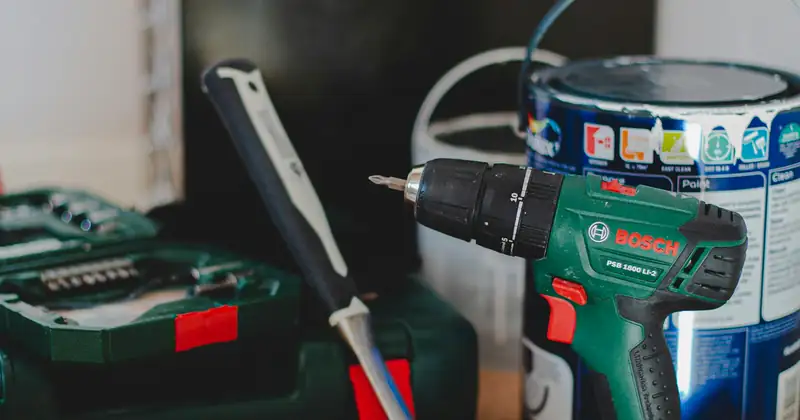
Photo by Sam Clarke on Unsplash
Kansas City homes face four demanding seasons: spring storms and hail, hot and humid summers, fall leaf drop, and winter freeze-thaw cycles. A good home maintenance checklist breaks the work into seasonal tasks, so small problems get caught before they turn into costly repairs.
The metro's weather swings are the main reason local homeowners need a plan. A single week can bring a freeze, a thaw, heavy rain and wind. Those swings stress roofs, gutters, foundations, pipes and heating and cooling systems. Use the lists below as a starting point and adapt them to your home's age and construction.
Spring: after the freeze, before the storms
Spring in the Kansas City area brings heavy rain, high winds and the risk of hail and tornadoes. Use March and April to repair winter damage and prepare for storm season.
- Inspect the roof: look for missing, cracked or curled shingles, damaged flashing and sagging areas. After any hail event, have a reputable roofer inspect it. Hail damage is not always visible from the ground.
- Clean gutters and downspouts: make sure water flows away from your foundation by at least several feet.
- Check the foundation and grading: look for new cracks, and for soil that slopes toward the house. Clay soil in much of the region swells when wet and shrinks when dry, which can shift foundations.
- Service the air conditioner: change the filter, clear debris from the outdoor unit and consider a professional tune-up before the first hot days.
- Test your sump pump: pour water into the pit and make sure it activates. Consider a battery backup for power outages during storms.
- Inspect windows and doors: repair screens and replace worn weatherstripping.
- Trim trees: remove dead or weak limbs that could fall during high winds.
- Review insurance: read your policy's wind and hail deductible and keep photos of your belongings.
Summer: humidity, heat and heavy use
Kansas City summers are hot and humid, which is hard on cooling systems and invites moisture problems.
- Replace HVAC filters regularly: check monthly in peak season.
- Control indoor humidity: aim for a comfortable range, often around 30 to 50 percent. Use a dehumidifier in basements and run bathroom and kitchen exhaust fans.
- Look for moisture and mold: check basements, crawl spaces, under sinks and around windows. Fix leaks quickly.
- Seal exterior gaps: re-caulk windows, siding joints and penetrations to keep out water and insects.
- Clean the dryer vent: a clogged vent is a fire hazard.
- Inspect the deck and fence: look for loose boards, rot and failing finish; clean and seal as needed.
- Check irrigation and lawn: water deeply but less often, and adjust sprinkler heads.
- Watch for pests: ants, wasps and termites are active in warm weather. Ask a licensed pest control professional whether a termite inspection makes sense for your home.
Fall: prepare for the cold
Fall is the best time to prevent winter damage.
- Clean gutters again: leaves from mature trees clog drains quickly in established neighborhoods.
- Service the furnace: schedule a professional inspection and replace the filter. Check your carbon monoxide detectors.
- Test smoke and CO alarms: replace batteries and any expired units.
- Disconnect hoses and winterize outdoor faucets: shut off interior valves where available and drain lines.
- Insulate exposed pipes: especially in crawl spaces, garages and exterior walls.
- Seal air leaks: check around doors, windows, attic hatches and utility penetrations to cut heating bills.
- Inspect the chimney: have it cleaned and inspected before using a fireplace or wood stove.
- Lay in supplies: salt or ice melt, shovels and a plan for power outages.
- Have the sprinkler system blown out: trapped water can freeze and crack lines.
Winter: freeze-thaw and cold snaps
Kansas City winters can swing from mild to very cold, sometimes within days. Repeated freezing and thawing expands water in cracks and can damage concrete, masonry and roofing.
- Protect pipes during hard freezes: open cabinet doors under sinks on exterior walls and let a small trickle of water run in extreme cold. Know where your main water shutoff is.
- Watch for ice dams: they form when heat escapes through the roof and snow melts and refreezes at the eaves. Good attic insulation and ventilation help prevent them.
- Keep gutters and walkways clear: remove snow and ice from steps and driveways. Use ice melt sparingly on concrete, especially new concrete.
- Check the attic and ceilings: look for stains or damp insulation after snow melts.
- Maintain a steady indoor temperature: avoid turning the heat too low if you travel.
- Test your generator or backup plan: never run a generator indoors or in a garage.
- Inspect the foundation: note any new cracks that appear after hard freezes and track them with photos and dates.
Year-round habits
- Test smoke and carbon monoxide alarms monthly.
- Check for leaks under sinks and around water heaters.
- Flush the water heater annually as the manufacturer recommends.
- Keep a maintenance log with dates, vendors and costs.
- Set aside a repair fund. Plan to set aside a meaningful share of your home's value each year for repairs, and expect older homes to need more.
When to call a professional
Some jobs are safe to do yourself, such as changing filters, cleaning gutters at ground level and caulking. Others call for licensed help: electrical work, gas lines, roof repairs, foundation repairs and any job involving mold remediation or major plumbing. Ask for references, confirm licensing and insurance where required, and get written estimates. Be cautious of door-to-door contractors who appear after a hailstorm and ask for large upfront payments.
If you have just bought a home, our first-time home buyer guide explains what to budget for after closing. To find home service providers near you, browse our local business directory, and read why hiring local in Kansas City often leads to better follow-up service.
Room-by-room quick checks
Basement and crawl space
Look for efflorescence (white mineral deposits) on walls, damp spots, musty smells and cracks. Make sure window wells drain, and keep stored items off the floor. Moisture left alone can lead to mold and wood rot.
Kitchen and bathrooms
Check under sinks for drips, inspect caulk around tubs and showers, and test that exhaust fans move air. Clean refrigerator coils and check the dishwasher and washing machine hoses for bulges or cracks. Replacing old rubber hoses with braided ones is an inexpensive way to avoid a flood.
Attic
Look for daylight through the roof deck, damp or compressed insulation, signs of animals and bathroom fans that vent into the attic instead of outdoors. Proper insulation and ventilation reduce ice dams in winter and heat buildup in summer.
Exterior
Walk the perimeter looking at siding, brick mortar, paint, window trim and the soil along the foundation. Flaking paint and open joints let water in. Keep shrubs a little way from walls and keep mulch away from siding to reduce pest and moisture problems.
A simple system that works
Put the seasonal lists on your calendar, with reminders for the first weekend of March, June, September and December. Group tasks into one or two hours so they feel manageable, and keep spare filters, smoke alarm batteries, caulk and a flashlight in one place. Photograph your home's systems, including the water heater label, furnace model and panel, so you can give accurate information to service providers.
When you need help, browse the home and real estate directory for local professionals, and keep records of every repair. They are valuable if you file an insurance claim or sell the home later.
This checklist is general guidance. Needs vary by home, so consult licensed professionals for specific repairs.
Frequently Asked Questions
What are the most important maintenance tasks for Kansas City homes?
Focus on roof and gutter care, grading and drainage around the foundation, HVAC servicing, sump pump testing and freeze protection for pipes. These address the region's main stressors: storms, hail, humidity and freeze-thaw cycles.
How often should I check my roof for hail damage?
Inspect it each spring and after any significant hailstorm. Damage is often invisible from the ground, so consider a professional inspection. Photograph findings and review your insurance policy's wind and hail terms and claim deadlines.
How do I prevent frozen pipes in a Kansas City winter?
Insulate exposed pipes, disconnect outdoor hoses, keep the house heated, open cabinet doors on exterior walls during hard freezes and let faucets drip. Know where your main water shutoff is so you can act fast if a pipe bursts.
How much should I budget for home maintenance each year?
Budget a dedicated amount every year, and expect to spend more on older homes and those with aging roofs or systems. Keep a dedicated repair fund and a log of past work to plan ahead.
Keep Reading

How to Choose a Real Estate Agent in Kansas City
Check the license, interview at least three agents, and get commission terms in writing. Here is how to choose a Kansas City agent with confidence.

First-Time Home Buyer Guide for Kansas City
From budgeting and pre-approval to closing, here is how first-time buyers can navigate the Kansas City market on both sides of the state line.

Kansas City Web Design Cost: A 2026 Budget Guide
What should a Kansas City small business budget for a website in 2026? Typical price ranges, cost drivers, ongoing fees and how to read a quote.